

Why Choose Us?
Rich Experience
We are a comprehensive auto parts enterprise integrating R&D, production and sales.
Reliable Product Quality
We using advanced brazing technology, efficient management system and newest production testing equipment to ensure consistently provide customers with quality products.
Wide Market
Our company main products are automotive oil coolers. We always exported to North America; South America; Southeast Asia; the Middle East; Western Europe and other countries.
Excellent Customer Service
Our company still following the"great quality, better service, and best Timeliness" development objective.
What is Oil Cooler?
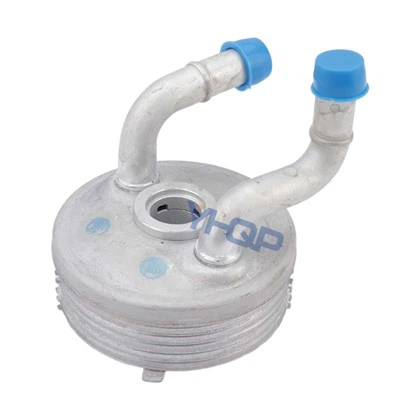
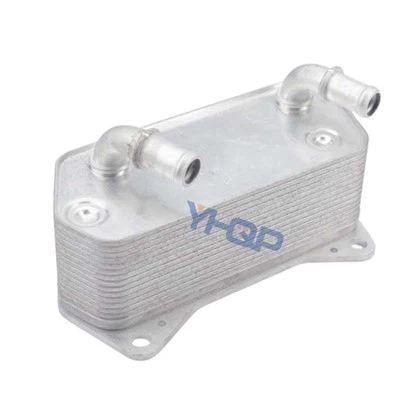
An oil cooler is a radiator-like component specifically designed to keep your oil cool. It consists of tubes and fins that allow for good airflow to pass through. Usually, they are placed where they can receive maximum airflow such as in front of or behind the radiator or fans.
-

Aluminum New Engine Oil Cooler for Audi A3 A4 A6 VW Golf ...
Price: The price is changing because of material cost and exchange rate. Please give me your contact information, I will update the newest price to you. Add to Inquiry -
New Engine Oil Cooler for Audi A3 A4 A5 A6 Q7 TT VW EOS G...
Price: The price is changing because of material cost and exchange rate. Please give me your contact information, I will update the newest price to you. Add to Inquiry -
High Quality Engine Oil Cooler/Transmission Radiator for ...
OE number:096409061G. Shipping & Delivery:45 days. Warranty:1 year. Add to Inquiry -
Hot Sales Auto Parts Oil Cooler for VW 06L117021C,06L1170...
Price: The price is changing because of material cost and exchange rate. Please give me your contact information, I will update the newest price to you. Add to Inquiry -
Hot Sales Car Parts Engine Oil Cooler for VW Audis 09G409...
Fast&Safe shipping . 100% tested for reliability and performance. Ensures product service,quality, and long-lasting durability. Add to Inquiry -
Auto Parts Engine Oil Cooler for VW Audi 09G409061
Brand New Manufactured with New Premium Quality Components. Safe and Secure Purchasing System and complete After Sales Systems . 100% Satisfaction Guarantee Add to Inquiry -
Lubrication System Engine Oil Cooler for VW Audi 038117021B
High-quality guaranteed auto parts . Fast&Safe shipping . 100% tested for reliability and performance Add to Inquiry -
Hot Sales Engine Oil Cooler for VW LUPO 001409061
Price: The price is changing because of material cost and exchange rate. Please give me your contact information, I will update the newest price to you. Add to Inquiry -
High Quality Oil Cooler for VW 09G409061B
Brand New Manufactured with New Premium Quality Components. Safe and Secure Purchasing System and complete After Sales Systems . 100% Satisfaction Guarante Add to Inquiry -
Good Oil Cooler for VW Golf VII 04E117021F,04E117021C
Price: The price is changing because of material cost and exchange rate. Please give me your contact information, I will update the newest price to you. Add to Inquiry -
New Oil Cooler for VW Jetta Bora 03L115389L
High-quality guaranteed auto parts . Fast&Safe shipping . 100% tested for reliability and performance. Add to Inquiry -
Car Engine Oil Cooler for VW Eos GTI Golf Audi 02E409061B
High-quality guaranteed auto parts . Fast&Safe shipping . 100% tested for reliability and performance. Add to Inquiry




Advantages of Oil Cooler
Temperature Control
Oil coolers help maintain ideal working temperatures for greasing up oil, water powered liquid, or transmission liquid in machinery, motors, and water powered systems. By dissipating overabundance heat, they avoid oil from overheating, which can corrupt its execution and lead to hardware disappointment.
Improved Lubrication
Cooling the oil makes a difference to protect its consistency and lubricating properties, guaranteeing smooth operation of moving parts inside motors, gearboxes, and water powered systems. Steady oil temperature diminishes grinding, wear, and corrosion, drawing out the life expectancy of mechanical components.
Enhanced Efficiency
By maintaining steady oil temperatures, oil coolers contribute to the generally productivity of apparatus and equipment. Ideal oil thickness diminishes energy losses related with contact, coming about in progressed fuel proficiency in vehicles and energy investment funds in industrial forms.
Extended Component Life
Cooler oil temperatures offer assistance avoid thermal corruption of oil and the arrangement of slime, varnish, or stores inside the oil system. This extends the benefit life of basic components such as heading, gears, cylinders, and seals, diminishing maintenance costs and downtime.
Temperature Regulation
Oil coolers give exact temperature direction, permitting administrators to adjust oil temperatures based on working conditions and natural variables. This flexibility guarantees steady execution and security against temperature extremes in different working environments.
Space Efficiency
Oil coolers are accessible in compact plans that can be coordinates into tight spaces inside machinery, vehicles, or industrial equipment. Their compact impression makes them reasonable for establishments where space is restricted or where different coolers are required.
Versatility
Oil coolers are flexible and can be utilized in a wide run of applications over businesses such as car, aerospace, marine, power generation, fabricating, and horticulture. They can cool different sorts of oils, counting motor oil, transmission liquid, pressure driven oil, and handle oils.
Quick Installation
Numerous oil cooler plans highlight basic establishment methods, permitting for simple retrofitting or overhauling of existing systems. Secluded plans and standardized mounting choices streamline establishment and diminish downtime amid support or system upgrades.
Durability and Reliability
High-quality materials and vigorous development guarantee the solidness and reliability of oil coolers in requesting working situations. They are planned to resist high pressures, vibration, corrosion, and temperature changes, giving long-term performance and protection.
Types of Oil Cooler
01/
Filter mounted
A filter-mounted oil cooler is attached to the oil filter itself. The hot oil is circulated through the engine and enters the cooler before passing through to the filter. Then, the cool oil is pumped back into the engine ready to start the cycle all over again.
02/
In-tank filter
This method of cooling the oil is perfect for applications where space is at a premium as it uses the real estate already taken up by the engine’s radiator. It can use both cool air flowing over the fins as well as the coolant to quickly and efficiently lower the engine oil temperature.
03/
Remote mounted
Accurately named, a remotely mounted oil cooler can usually be mounted to the engine block or transmission. Additionally, remote-mounted oil coolers can be air or water-cooled, depending on the application.
04/
Air cooled
Air-cooled oil coolers are commonly put in front of radiators or somewhere that allows plenty of fresh air to cycle over them. Similar to a normal radiator, the cool oil passes over the tubes as the air flows over the vanes. The heat is then drawn out of the oil, which effectively cools it.
05/
Water cooled
Alternatively, water-cooled oil coolers rely on the engine’s coolant system to lower the oil temperature. One of the main benefits is that it allows the cooler to be mounted anywhere there is available space. The physical size of the cooler can also be reduced as there is no need for additional fins that draw out heat. It just needs to be plumbed to the vehicle’s cooling system.
06/
Engine mounted
This type of cooler can be found on most modern engines including diesel, gasoline, and even flex-fuel. They are mounted directly to the engine block and work by using the engine’s existing coolant system. Engine mounted oil coolers are ideal for high-speed applications that need additional cooling for increased workloads. If space allows, the cooler can take advantage of the engine block’s heat exchanger, eliminating the need for extra plumbing.
Application of Oil Cooler
Comfort Cooling
Chillers are the backbone of air conditioning systems in residential, commercial, and regulation buildings, giving cool and comfortable indoor situations indeed amid the hottest months. They direct temperatures, evacuate humidity, and ensure ideal air quality, enhancing consolation and efficiency for inhabitants.
Industrial Processes
In manufacturing, chillers are utilized to control temperatures in various generation forms, such as plastics fabricating, food preparing, pharmaceutical production, and semiconductor fabrication. They cool gear, materials, and items, ensuring consistent quality and operational efficiency.
Data Centers
Data centers depend on chillers to preserve optimal operating temperatures for servers, storage systems, and networking equipment. Chillers remove heat created by electronic components, preventing overheating and guaranteeing uninterrupted operation of basic IT infrastructure.
Food and Beverage Industry
Chillers play a crucial part in protecting food quality and security during processing, capacity, and transportation. They cool perishable goods, such as fruits, vegetables, dairy items, and beverages, extending rack life and minimizing spoilage.


Medical Facilities
Hospitals, laboratories, and inquire about facilities utilize chillers for restorative equipment cooling, climate control, and temperature-sensitive capacity of solutions and biological samples. Chillers help maintain exact temperature conditions basic for persistent care and logical research.
Process Cooling
Chillers give prepare cooling in different industrial applications, counting plastics molding, chemical processing, and metalworking. They remove heat produced during production forms, ensuring item quality, equipment longevity, and operational reliability.
Energy Efficiency
Modern chillers are planned for energy proficiency, incorporating progressed technologies such as variable-speed compressors, heat recuperation systems, and intelligent controls. These highlights optimize chiller execution, reduce energy utilization, and lower operating costs whereas minimizing environmental affect.
Renewable Energy
Chillers are utilized in renewable vitality systems such as sun oriented thermal control plants and geothermal heating and cooling systems. They encourage heat transfer forms, harnessing renewable vitality sources to supply proficient cooling and heating solutions.
How Engine Oil Cooler Works
From all of the fluids that are found in your car, there is without a doubt that oil plays the most important role. The moving parts will create friction and external conditions can also cause the components to heat up. The oil will provide the lubrication that is needed to make sure that these parts will not be easily prone to wear and tear.
A heat exchanger is important for every engine, which has the main function of getting rid of the energy that is created by the engine as it works. If your vehicle has a water-cooling system, it will rely on the function of a radiator. On the other hand, if you have an oil system, an oil cooler is necessary, which is the focus of this post.
An oil cooler is a component that looks like a small cross-flow heat exchanger. To make it more efficient, it can be positioned in varying places in the engine depending on where it is deemed to be suitable.
The oil inside the cooler will help to keep the optimal temperature range of the engine and its parts.
The oil will enter the oil cooler while its temperature is still high. Inside the cooler, it will go around tubes that are equipped with fins that release heat. Once the oil is processed, it will exit at a temperature that is already colder. At this point, it is ready for circulation and will once again go through the same process.
Design of an Oil Cooler
Oil coolers come in many sizes just like radiators. Choosing a proper size is based on a few factors:
● The capacity of oil in the system
● The power output of the motor
● The amount of air flow and space for the cooler
● The size of the radiator
Each of the following above will play a key roll in deciding the size of oil cooler you will need for your car. As a basic rule of thumb, most drivers will add as big of an oil cooler as can fit in a space that receives good airflow, and then add a thermostat so that the oil can be kept at a proper temperature.
The oil cooler is designed to come in a one pass, two pass, or even triple pass design. This means the amount of times the oil will pass across the length of the cooler before it is aloud to exit. The idea being that the more passes the oil makes across the cooling front, the more heat the oil will be able to dissipate. Another important part of the design is inlet and outlet size. Be sure to choose a size that will not be too small and restrictive, as this will cause a drop in oil pressure. Most find that -8an or -10 an size fittings are sufficient. Also be sure to try and minimize length and number of bends in the oil lines as your run them to the coolers location.
Oil Cooler Failure Causes
Corrosion
Over time, the oil cooler can corrode due to exposure to moisture and other corrosive elements. This can cause the cooler to become weakened and eventually develop leaks.
01
Physical damage
The oil cooler is typically located in a vulnerable area of the engine, and it can be easily damaged by road debris, rocks, or other objects. Even a small dent or puncture can cause the oil cooler to leak oil.
02
Clogged or blocked passage
The oil cooler has small passages through which oil flows, and these passages can become clogged or blocked over time. This can restrict the flow of oil, causing the oil cooler to overheat and become damaged.
03
Poor maintenance
Like any other component of a vehicle, the oil cooler requires regular maintenance to ensure it stays in good working condition. If the oil cooler is not maintained properly, it can become damaged and fail prematurely.
04
Faulty installation
If the oil cooler is not installed correctly, it can become damaged due to vibrations or other issues. This is why it is important to have the oil cooler installed by a professional mechanic who is familiar with your vehicle’s make and model.
05
Difference of Oil Cooler vs Water Cooler
Fluids Used
● Oil Cooler: Oil coolers are particularly planned to cool oil or other lubricants utilized in apparatus and engines. They transfer heat from the oil to another medium, such as air or water, to preserve the oil temperature inside safe operating limits.
● Water Cooler: Water coolers, on the other hand, are designed to cool water or fluid arrangements. They transfer heat from the water to another medium to lower its temperature, regularly utilizing air or another water stream as the cooling medium.
Applications
● Oil Cooler: Oil coolers are commonly utilized in car engines, industrial apparatus, water powered systems, and power generation hardware to avoid overheating and maintain ideal lubrication properties. They help amplify the life expectancy of components and guarantee effective operation of apparatus.
● Water Cooler: Water coolers are utilized in different applications, counting HVAC systems, industrial forms, power plants, and refrigeration systems. They are fundamental for cooling water in condensers, boilers, heat exchangers, and other gear to preserve process temperatures and optimize execution.
Heat Transfer Medium
● Oil Cooler: Oil coolers regularly transfer heat from the oil to air or water, depending on the particular plan and application. The heat exchange handle makes a difference disseminate excess heat created by the oil and maintain its viscosity and lubricating properties.
● Water Cooler: Water coolers transfer heat from water to another medium, such as air or another water stream, to lower the water temperature. They play a significant part in removing heat from industrial forms, gear, and HVAC systems to preserve efficient operation and avoid overheating.
Cooling Efficiency
● Oil Cooler: Oil coolers are generally less effective at transferring heat compared to water coolers due to the lower particular heat capacity and thermal conductivity of oil compared to water. As a result, oil coolers may require larger heat exchange surfaces or higher wind current rates to attain the required cooling impact.
● Water Cooler: Water coolers are ordinarily more productive at transferring heat due to the higher particular heat capacity and thermal conductivity of water. They can successfully evacuate huge amounts of heat with relatively littler heat trade surfaces, making them suitable for a wide run of cooling applications.
What Are the Biggest Problems Associated with a Faulty Oil Cooler?
Oil overheating
One of the most common issues associated with a malfunctioning oil cooler is the oil overheating. If the cooler fails to regulate the oil temperature effectively, it can result in elevated oil temperatures that compromise the oil’s ability to lubricate and protect the engine components. This can lead to increased friction and accelerated wear on critical parts, reducing the engine’s overall lifespan.
Oil contamination
Another problem linked to a faulty oil cooler is oil contamination. If the cooler develops leaks or cracks, external coolant or other fluids can mix with the engine oil. This contamination can dilute the oil’s lubricating properties and reduce its effectiveness. Additionally, the introduction of foreign substances into the oil can contribute to the formation of sludge and deposits within the engine, further impeding its performance and potentially causing blockages.
Coolant leaks
Coolant leaks from a malfunctioning oil cooler can also result in serious issues. Engine coolant is not meant to come into contact with engine oil, as it can cause foaming, degradation of lubrication, and potential damage to engine components. These leaks can be challenging to detect initially, but they can lead to significant damage over time if left unresolved.
Poor fuel efficiency
Finally, a faulty oil cooler can also lead to poor fuel efficiency. When the engine oil is not operating at the correct temperature, it can lead to increased friction and reduced efficiency. The engine may need to work harder to compensate for the lack of proper lubrication and temperature control, ultimately leading to higher fuel consumption.
What to Consider When Choosing an Oil Cooler
When it comes to selecting the right oil cooler for your engine, the decision is pivotal to ensuring maximum cooling performance and engine longevity. The choice of material, for instance, plays a crucial role in the cooler's durability and heat dissipation capabilities.
Aluminum oil coolers, renowned for their lightweight and efficient heat transfer, are often the go-to for high-performance engines. The design of the oil cooler also significantly impacts its effectiveness in maintaining optimal oil temperatures, with some designs favoring increased surface area for better air contact.
The cooling capacity of the oil cooler must align with your engine's requirements to prevent overheating, while compatibility with both your engine and oil type ensures seamless integration and functionality. It's a delicate balance between efficiency and durability, as a more robust oil cooler might add weight or require additional maintenance.
Ensuring this balance helps optimize engine performance without compromising on the engine oil cooler's longevity. When navigating these trade-offs, consider your engine's specific demands and operational conditions to choose an oil cooler that not only meets but exceeds your performance and protection goals.
Our Certifications


Our Factory
Wenzhou Yonghang Auto Parts Co., Ltd is located in the capital of automobile——Ruian Wenzhou city Zhejiang China. We are a comprehensive auto parts enterprise integrating R&D, production and sales. Our company main products are automotive oil coolers. We always exported to North America; South America; Southeast Asia; the Middle East; Western Europe and other countries. Since WE Establishment in 2009, Our company still following the"great quality, better service, and best Timeliness" development objective.

Ultimate FAQ Guide to Oil Cooler
As one of the leading oil cooler manufacturers and suppliers in China, we warmly welcome you to buy high-grade oil cooler from our factory. All customized products are with high quality and competitive price.
British Car Land Rover Oil Cooler, Best Engine Oil Cooler for BMW E60 E63 E66 17217507974 17217519213, China Manufacturer Engine Transmission Oil Cooler for Hyundai 26410 3CAA0